

NFC Business Cards: Materials, Use Cases, and How to Order Branded Bulk
NFC business cards are physical cards with an embedded chip that transfers your contact information, social profiles, or any URL to a smartphone in a single tap. They work like a standard business card in every other way – same dimensions, fully branded – except they never run out, never get outdated, and 88% fewer of them end up in a trash can within the week.
This guide covers how NFC business cards work, the material formats available (from PVC to metal to wood), who’s using them and why, and what to look for when you’re sourcing custom cards for a team or event.
What Is an NFC Business Card?
An NFC business card is a physical card embedded with a Near Field Communication chip. That chip is passive, so it carries no battery and activates only when an NFC-enabled smartphone gets within a few centimeters of it. Tap the card against a phone and it instantly delivers whatever you’ve programmed: a contact vCard, a LinkedIn profile, a landing page, a portfolio, a Google review form, or anything with a URL.
Both iPhone (iPhone 7 and later) and Android devices read NFC natively, so there’s no app required on the receiving end. The person you’re handing it to just taps and that’s the whole interaction, so it’s a win-win for everybody.
How NFC Business Cards Are Different From Digital Business Cards
It’s worth separating NFC business cards from the broader category of “digital business cards,” since search results tend to mix the two. Digital business cards is a catch-all term that includes app-based vCards, QR code links, and email signature tools. Basically, any software platform that you manage on your phone can be considered a digital business card.
An NFC business card, however, is a physical object with an embedded chip. The distinction matters for buyers: if you’re equipping a sales team or stocking a conference activation, you’re sourcing a branded physical product, not subscribing to an app. The tap experience is faster and requires nothing from the recipient, which is why NFC-enabled cards retain users at a rate 50% higher than QR code-based alternatives, according to Wave Connect.

Why NFC Business Cards Are Gaining Ground
Paper cards are cheap to print but expensive over time. According to DBC.com, a 100-person company spends roughly $6,500 per year on paper business card printing, and a 500-person company spends over $32,000, with most of those cards thrown away within a week. NFC cards are a one-time production cost with content you can update anytime by changing the destination URL, without ever touching the physical card on the other end.
Adoption is accelerating, too. According to Global Growth Insights, corporate buyers account for nearly 68% of global NFC smart card procurement, and the market is projected to reach $71 million by 2033. By now we know isn’t a consumer trend but a B2B procurement category, and the brands leading adoption are using NFC cards as a branding tool, not just a contact-sharing shortcut.
For teams, the case is simple: every rep carries a card that represents the brand consistently, never runs out of stock, and delivers a tap experience that paper cards can’t match. For events and conferences, NFC-enabled cards function as a conversation starter before the tap even happens. The result are tech promotional products that actually gets used.
NFC Business Card Formats: A Full Material Breakdown
As is the case for all effective NFC marketing strategies, the material you choose matters more than most buyers realize. In addition to the weight and tactile impression of the card, it impacts the decoration method, how durable it is in daily use, and how it reads in context. A maple wood card at a hospitality conference signals something different than a stainless steel card at a finance summit, which signals something different than a clean matte PVC card at a tech trade show. If you’re not sure which option is best for you, our SWAG Experts are standing by to help you decide (just scroll to the bottom of this blog).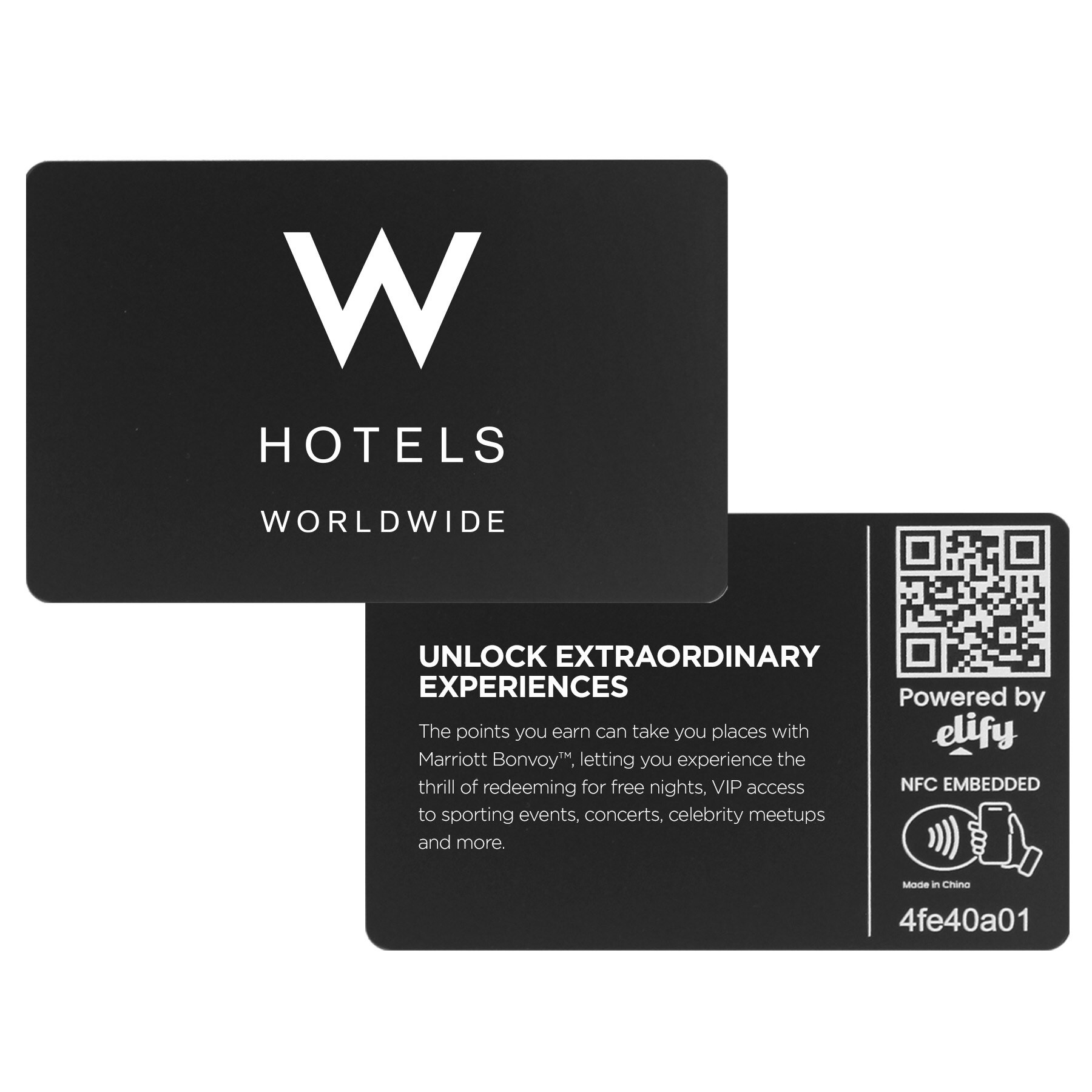
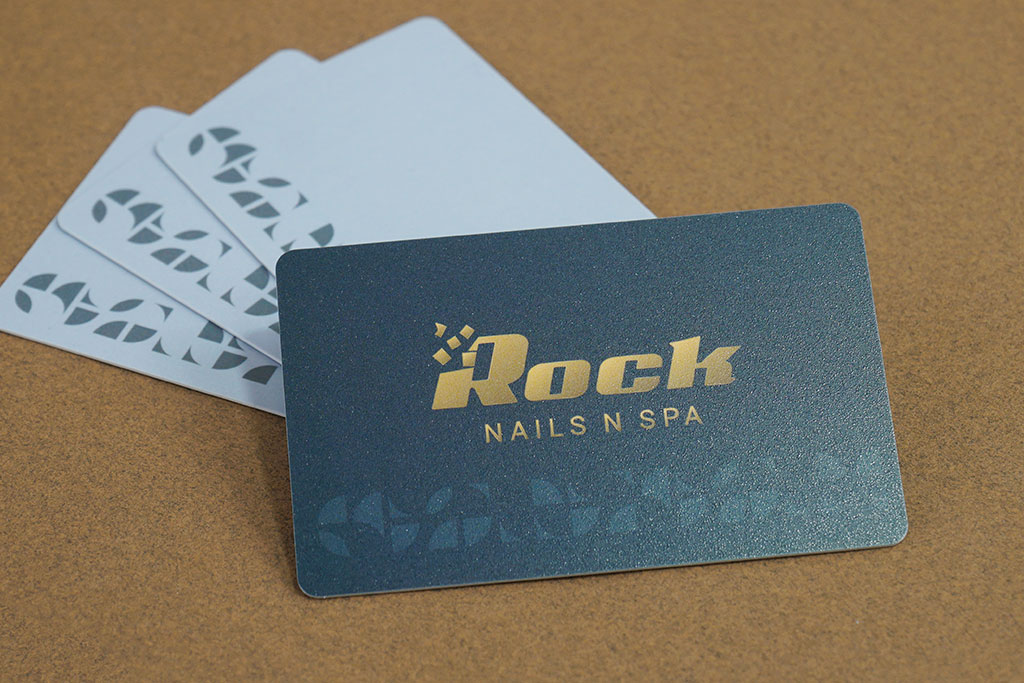
- PVC NFC Cards: The most common entry point for bulk orders. Standard credit card thickness at 0.76mm, with full-color digital printing on both sides, and broad compatibility with NFC chip options. The 504-byte chip memory covers any URL-based destination comfortably. PVC works well for high-volume orders where cost efficiency matters without sacrificing a polished, fully branded look.
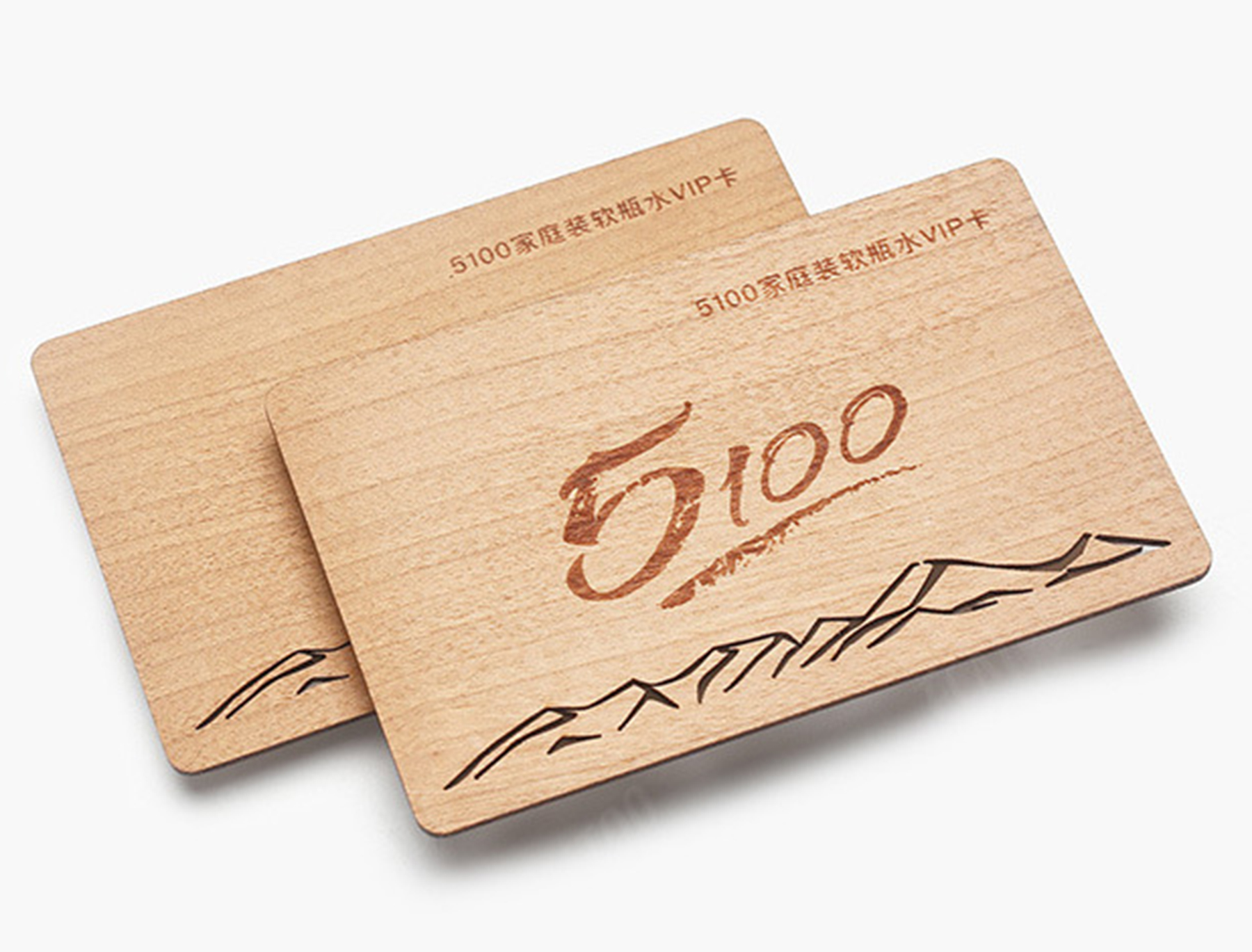
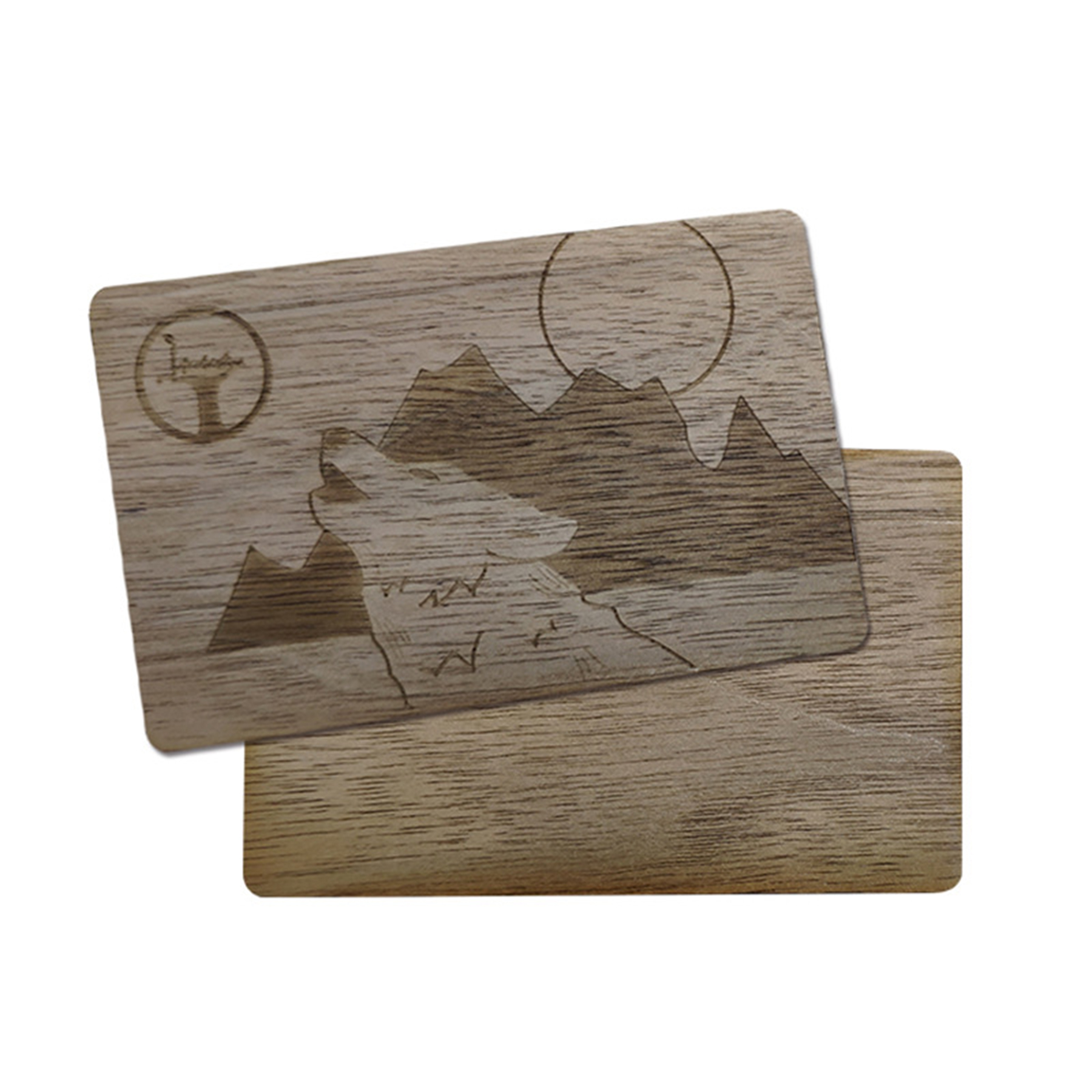
- Wood NFC Cards: Available in maple, bamboo, basswood, black walnut, beech, sapele, and cherry. All carry 888-byte chips and are laser-engraved rather than printed, which means the decoration is permanent and textured rather than surface-applied. At 1.4mm thick, they’re noticeably more substantial than PVC so you feel the difference when someone hands you one. Wood NFC cards work especially well for sustainability-forward brands, hospitality properties, and any context where the card is meant to function as a premium first impression rather than a utility item.
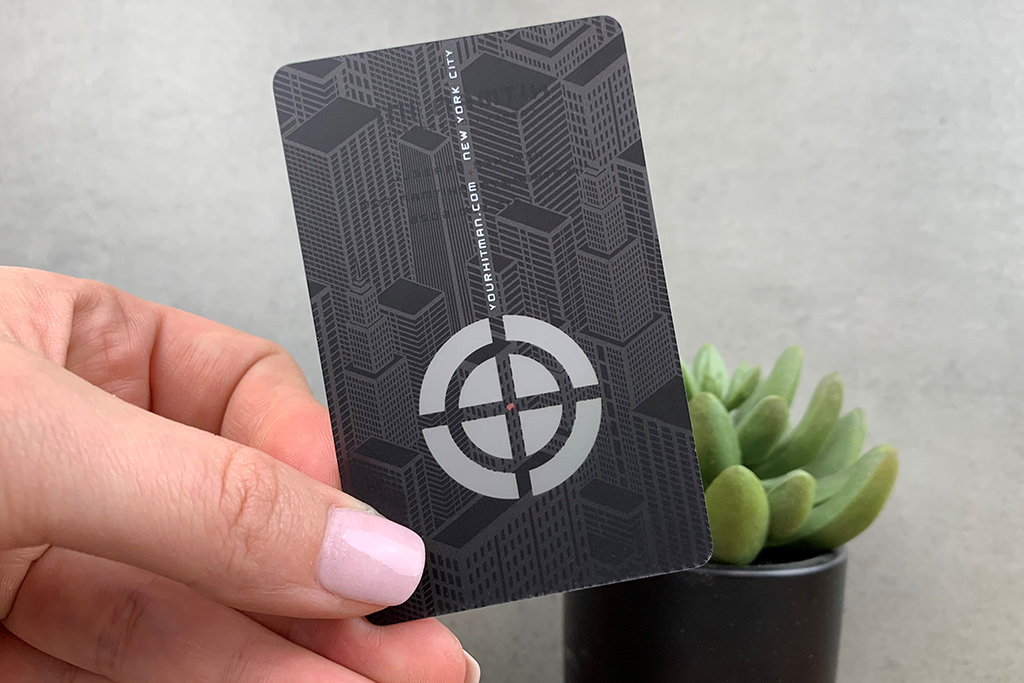
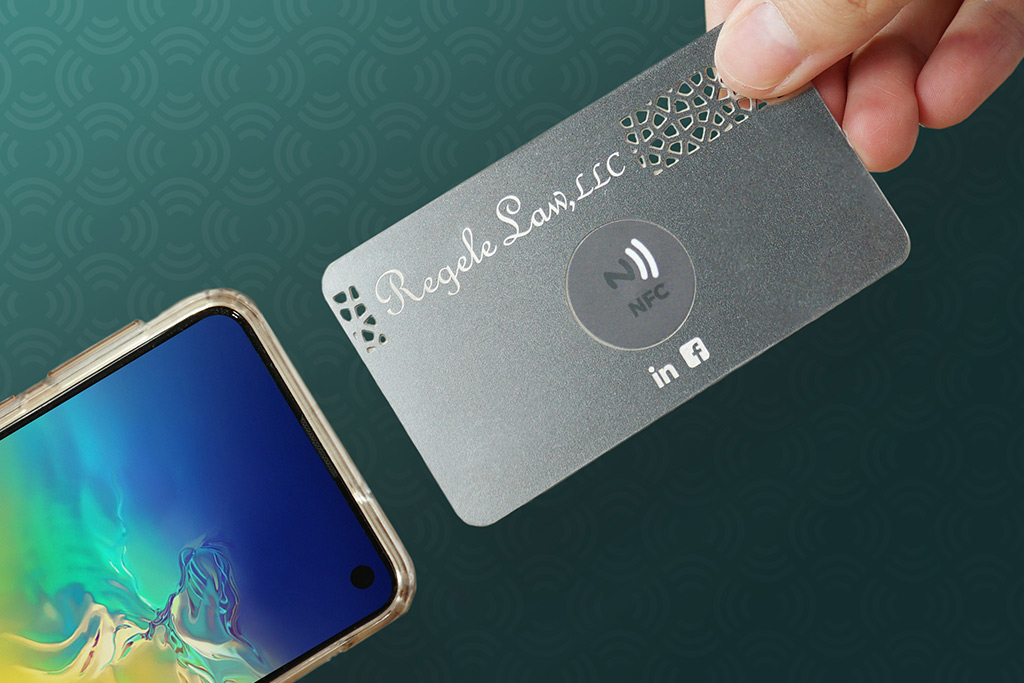
- Metal NFC Cards: The most premium format in the lineup. Available in a wide variety of colors, with decoration options including laser etch, cut-through design, full color, and screen print. At 0.8mm stainless steel, these cards carry a weight and presence that’s immediately noticeable. These are the types of cards that get held longer, examined further, and commented on more often than not. Metal NFC business cards are the right call for executive teams, luxury hospitality, wealth management, and anywhere the card itself needs to signal quality before it’s tapped.
- Elify TAP Cards (PVC and Bamboo): A managed digital card platform built into a physical format. Tap the card, click, and the contact saves. Unlike standard NFC cards where you program the destination yourself, Elify TAP cards connect to a cloud dashboard where contact information, title, links, and social profiles can be updated anytime. This is the right choice for teams whose details change frequently. The bamboo version adds a sustainability angle at a slightly higher price point.
- Matte, Clear, Frosted, and Translucent Plastic Cards For buyers who want a standard card dimension with a distinctive material finish, these PVC options offer a premium feel at accessible price points. All support optional NFC chip add-ons (N-Tag 213 or N-Tag 215), making them upgradeable from a standard printed card to a smart card without changing the visual design. The frosted and translucent finishes in particular tend to stand out in a card holder without requiring a premium material.
NFC Business Card Material Comparison
| Material | Chip Memory | Decoration Method | Min. Order | Best For |
| PVC | 504 bytes | Full-color digital print | 250 | High-volume branded orders |
| Maple Wood | 888 bytes | Laser engraved | 250 | Sustainable brands, premium gifting |
| Bamboo | 888 bytes | Laser engraved | 250 | Eco-forward positioning |
| Basswood | 888 bytes | Laser engraved | 250 | Natural aesthetic, events |
| Black Walnut | 888 bytes | Laser engraved | 250 | Executive, luxury contexts |
| Beech Wood | 888 bytes | Laser engraved | 250 | Warm grain, versatile |
| Sapele Wood | 888 bytes | Laser engraved | 250 | Distinctive reddish grain |
| Cherry Wood | 888 bytes | Laser engraved | 250 | Rich color, premium feel |
| Stainless Steel | N/A (tap-to-link) | Laser etch, screen print, cut-through | Contact Us | Executive teams, luxury hospitality |
| Elify TAP PVC | Cloud-managed | Screen print, laser engraved | 25 | Teams needing updatable contact info |
| Elify TAP Bamboo | Cloud-managed | Laser engraved | 25 | Sustainable + updatable |
| Matte/Clear/Frosted PVC | Optional NFC add-on | Full-color digital | 100 | Budget-forward, NFC-optional |
Where NFC Business Cards Work Best
The best NFC business card deployments match the format to the context rather than treating all use cases as interchangeable. Here’s how different buyer types are using them.
Conference and trade show networking is the most natural fit. On the show floor or at a booth, a branded NFC card replaces a stack of paper cards that get shuffled into a bag and forgotten. One tap and your contact, website, or lead form is already in the prospect’s phone — and with a wood or metal card, the object itself earns a second look before the tap happens. For teams covering multiple events, trade show giveaways and NFC cards pair well together as a layered approach to leaving a lasting impression. For event-specific ideas beyond the card, our conference giveaway ideas cover what else works on the floor.
Client-facing teams such as account managers, consultants, and business development professionals who meet clients regularly benefit most from cards that can be updated without being reprinted. Elify TAP cards handle this through their cloud dashboard, so a title change, a new direct line, or a rebranded portfolio link doesn’t require a reorder. For branded consistency across a team, PVC or wood NFC cards ordered in bulk give every rep the same polished look without the coordination overhead of managing individual orders.
Onboarding kits and executive gifting are an underused application for NFC business cards. A card slipped into a client welcome kit that taps directly to a welcome video or a personalized landing page signals a level of preparation most vendors don’t bother with. If you want to push it further, a custom trading card format rather than a standard rectangle becomes something a client actually collects. Upgrade the format to a metal NFC card in brushed steel with custom packaging and it functions as a gift before it functions as a card. For the broader framework on what makes a luxury gift land well, our guide to luxury corporate gifts for clients is worth a read.
Hospitality services have been among the earliest adopters. Front desk staff, concierge teams, and property managers use NFC cards to replace verbal exchanges with a tap. Now they can link guests directly to a review page, a booking portal, or an amenities guide with ease. The card stays on the desk rather than in a pocket, which means it keeps getting tapped.
How to Think About Bulk Orders
NFC business card orders for teams and events involve a few decisions that standard card buyers don’t always consider. These are the boxes our SWAG Experts will be making sure are checked before proceeding with your order.
What does the card link to? The most common mistake is pointing the chip at a generic homepage. A card that links to a specific contact vCard, a booking page, or a targeted landing page performs meaningfully better than one that dumps someone onto a brand’s front door. Before production, decide what you want the tap to do, and make sure that destination is set up before the cards ship.
Static vs. updatable. Standard NFC cards (PVC, wood, metal) are programmed with a URL that’s fixed unless you route through a dynamic redirect service. Elify TAP cards are built on a managed platform where the destination updates in the dashboard without touching the card. For teams with turnover or frequent info changes, the managed option is usually worth the cost difference at scale.
Material against context. A bamboo card makes a strong impression at a sustainability conference, whereas a steel card fits a wealth management firm or a luxury hotel property. The most common option, a clean PVC card, can work in any environment. The right call isn’t always the most premium option, it’s the one that fits the audience and the moment. If you’re building out a broader NFC product strategy alongside the cards, our NFC products guide covers the full range of formats SOBO carries.
Minimum orders. Most wood and PVC formats start at 250 units. Metal cards start at one unit, which makes them viable for individual executives as well as bulk team orders. Elify TAP cards start at 25, which suits smaller teams getting started. If interested, follow this link for more info on custom SWAG with no minimum.
For help choosing the right format, sizing up quantities, or setting up a bulk order for a team or event, hit the button below and we’ll be glad to walk you through the options.